MyClaw
If you like the idea of running an action-taking AI agent but do not want to babysit servers, containers, updates, or uptime, MyClaw is immediately interesting. MyClaw positions itself as a managed hosting option for OpenClaw and Clawdbot users who want a private, always-on setup without going fully DIY.
In this MyClaw review, we evaluate it as an AI agent hosting service, not just another software brand. That means looking beyond the landing page and asking practical questions: what does it actually help you do, what permissions might your workflows require, where are the reliability limits, and who should still self-host instead? We also cover pricing caveats, safety considerations, alternatives, and the types of teams most likely to benefit from MyClaw.
What is MyClaw?
MyClaw is a managed cloud hosting platform for OpenClaw and Clawdbot deployments. In plain terms, it is built for people who want the benefits of an always-on AI agent environment without handling the infrastructure themselves.
That matters because many action-oriented AI tools are not simple chat apps. They may need persistent runtime, background processes, web access, APIs, storage, logs, or scheduled workflows. Self-hosting can be attractive for control, but it often creates friction: setup complexity, maintenance burden, patching, monitoring, and downtime risk. MyClaw appears to address that gap by packaging the hosting side for users who mainly care about running workflows reliably.
The target audience is likely to include solo builders, operators, small teams, and technical users who want a more private or dedicated-feeling environment than generic consumer AI tools. It may also appeal to teams experimenting with browser agents, automation chains, or internal copilots who are not ready to maintain their own stack.
The key point is that MyClaw is not the agent itself in the abstract; it is the managed environment around OpenClaw/Clawdbot use. So the real buying question is whether hosted convenience is worth the tradeoff versus self-hosting or choosing a more packaged agent platform.
For broader context on how these products differ from general AI tools, our Action-Taking AI Agents Buying Guide is a useful companion read.
Key Features
Managed OpenClaw and Clawdbot hosting
The clearest value proposition is managed hosting for OpenClaw and Clawdbot. Instead of spinning up your own infrastructure, configuring environments, and keeping them online, MyClaw aims to provide a ready cloud setup.
Use case: A founder or ops lead wants an internal automation worker to stay available around the clock, but does not want to own server maintenance.
Always-on private instance model
Based on the brand record, MyClaw is meant for users who want a private, always-on OpenClaw instance. That is important for workflows that need persistence rather than one-off prompting. Continuous availability can matter for scheduled jobs, background actions, and multi-step automations that cannot depend on someone reopening a local machine.
Use case: A team wants a dedicated environment for recurring tasks such as form handling, workflow triggering, or internal assistant routines.
Reduced self-hosting overhead
A major benefit of a hosted layer is removing repetitive infrastructure work: deployment, uptime management, patching cadence, and potentially routine operational support. That does not eliminate workflow design work, but it can shrink the engineering effort required to get started.
Use case: A small company wants to pilot an action-taking AI system quickly without dedicating an engineer to DevOps.
Potentially better fit for non-DevOps builders
MyClaw may be especially attractive to users who are technical enough to understand agent workflows but not interested in running cloud infrastructure themselves. That “builder-friendly but not infra-heavy” middle ground is underserved.
Use case: A no-code or low-code automation builder wants OpenClaw-style flexibility but needs a simpler operational path.
Hosting layer for experimentation
Because MyClaw sits at the hosting layer, it may help teams test workflows in a more stable environment than a laptop-based local install. That can make it easier to compare workflows, invite collaborators, and keep test systems available.
Use case: A team is evaluating agent-driven operations and wants a hosted sandbox before committing to a heavier platform.
Private deployment appeal
For some users, “private” matters as much as “always on.” However, this is where caution is essential. A private instance does not automatically mean full isolation, zero data exposure, or enterprise-grade security guarantees. Buyers should verify how credentials, logs, files, prompts, and action history are stored and who can access them operationally.
Use case: A consultant wants client-specific workflow separation, but should still verify actual data handling before use.
Better workflow continuity than ad hoc tools
A hosted agent environment can be more suitable than one-shot chat products when the job involves repeatable actions, external tools, or multi-step stateful work. This is one reason MyClaw may appeal to users comparing “AI chat” versus “AI claw” tooling.
Use case: A user needs repeatable action chains rather than isolated prompt answers.
Pricing & Plans
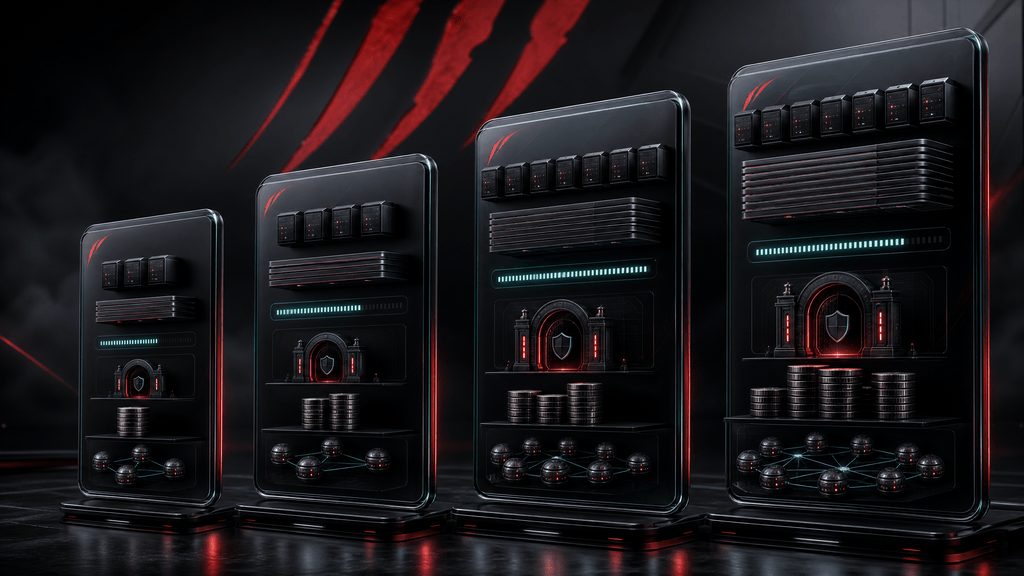
MyClaw’s official site reportedly showed yearly plan examples including Lite, Pro, Max, and Ultra at the time the source record was checked. However, this is exactly the kind of area where buyers should slow down and verify details directly before purchasing.
| Plan | Availability in source record | What to verify before buying |
|---|---|---|
| Lite | Mentioned | Current price, billing period, included resources, upgrade path |
| Pro | Mentioned | Runtime limits, user limits, support level, action capacity |
| Max | Mentioned | Performance differences, scaling rules, data retention |
| Ultra | Mentioned | Intended audience, custom support, deployment scope |
Because we do not have confirmed current plan details, it would be irresponsible to state exact prices, plan limits, refunds, or trial terms here. Before buying, confirm:
- Whether pricing is monthly, yearly, or both
- If discounts require annual commitment
- What “private” includes in practice
- Whether support response times differ by tier
- If there are setup fees, migration help, or cancellation restrictions
- Refund eligibility and billing policy
- Any included limits around usage, storage, seats, or agent runtime
From a value perspective, MyClaw makes the most sense when you assign real cost to self-hosting time. If your team would otherwise spend hours on deployment and maintenance, managed hosting may justify itself quickly. If you already have clean internal infrastructure and DevOps support, the value gap narrows.
Official site: myclaw.ai
Access route: /go/myclaw
Trust page: /trust/myclaw
Pros and Cons
Pros
- Removes much of the friction of self-hosting OpenClaw or Clawdbot
- Appealing for teams that want an always-on agent environment
- Better fit for persistent workflows than one-off chat interfaces
- Likely useful for builders who want control without full DevOps burden
- Can offer a cleaner starting point for testing hosted action workflows
- More aligned with private-instance needs than generic consumer AI tools
Cons
- Current pricing details, billing terms, and limits should be verified directly
- “Private hosting” does not automatically equal strong security guarantees
- Suitability depends heavily on what OpenClaw/Clawdbot workflows you actually need
- Less ideal if your team already self-hosts comfortably
- Reliability still depends on the underlying agent workflow design, not just hosting
User Experience
Because MyClaw is a hosting platform rather than a pure end-user app, user experience should be judged on setup friction, dashboard clarity, deployment flow, and operational visibility. The best hosted agent products make it easy to answer questions like: Is my instance running? What failed? Where are my logs? What credentials are connected? What requires human approval?
That last point is especially important for action-taking AI. A polished interface is nice, but safe workflow control matters more. Buyers should verify whether MyClaw offers clear permission boundaries, visibility into actions, and practical intervention points if an automation misfires.
The likely learning curve is moderate. If you already understand OpenClaw or Clawdbot concepts, MyClaw may feel like a convenience layer. If you are new to agent infrastructure entirely, you will still need to understand workflow scope, credentials, and risk management.
Support quality is also worth checking before purchase. Since managed hosting is partly about operational trust, pre-sales responsiveness can be a useful signal. If you plan to run browser or action-heavy workflows, review our Browser Agent Safety Checklist before granting any broad access.
Alternatives & Comparisons
Kimi Claw
Kimi Claw is worth considering if you want a different AI claw approach rather than specifically managed OpenClaw hosting. The comparison comes down to whether you want hosted infrastructure around an existing agent stack or a different product experience altogether.
KiloClaw
KiloClaw may appeal to buyers comparing workflow tools and action automation options. If cost sensitivity is high, its related offer page, KiloClaw free trial with $4 first month offer, is relevant for testing an alternative at lower commitment.
LightNode
LightNode is another comparison point for users who are thinking in terms of hosted infrastructure and deployment practicality. It may be a better fit if your main concern is environment flexibility rather than a branded managed OpenClaw experience.
Command Code
Command Code is useful to compare if your workflows lean more heavily toward code-centric execution and developer ergonomics. Teams with engineering-first automation may prefer a more technical toolchain.
In short, MyClaw stands out when your main need is managed hosting for OpenClaw/Clawdbot, not just “some AI agent.” If your priority is broader platform features, lower-cost experimentation, or a different workflow model, alternatives may be stronger.
Available discounts & Deals
At the time of writing, we do not have a confirmed MyClaw-specific discount, coupon code, or promotional offer that we can verify responsibly. Since this site takes a safety-first approach, we recommend avoiding unofficial coupon claims or expired deal pages.
The best way to save money with MyClaw is to:
- Check the official pricing page for annual billing differences
- Verify whether lower tiers are enough for your workflow
- Start with a small non-critical deployment before scaling
- Ask support what is included in migration or setup assistance
- Compare against lower-commitment alternatives before purchasing
If you are open to trying a different tool first, see the verified KiloClaw free trial with $4 first month offer.
Verdict / Final Thoughts
MyClaw looks most compelling for users who want managed OpenClaw and Clawdbot hosting without self-hosting overhead. Its core value is not flashy AI marketing; it is the practical promise of a private, always-on environment for action workflows.
That said, this is a category where convenience should never replace verification. Before buying, confirm the current pricing, plan limits, support expectations, data handling practices, and any human-approval controls tied to sensitive actions. Hosting an AI agent is still operationally meaningful, even if the infrastructure burden is reduced.
Our take: MyClaw is worth testing if you specifically want hosted OpenClaw-style infrastructure and do not want to manage servers yourself. Skip it if you need fully verified enterprise security guarantees, deeply transparent plan details before sales contact, or if your team can self-host easily already.
Rating: 7.9/10 for the right use case.
FAQ
What is MyClaw?
MyClaw is a managed hosting platform for OpenClaw and Clawdbot, designed for users who want a private, always-on instance without self-hosting.
Is MyClaw an AI agent or a hosting service?
It is best understood as a hosting service around OpenClaw/Clawdbot workflows rather than just a standalone consumer AI app.
Who should use MyClaw?
MyClaw is a fit for builders, operators, and small teams that want persistent agent infrastructure without handling deployment and maintenance themselves.
Does MyClaw support private deployments?
The brand record describes it as a private, always-on instance option, but buyers should verify exactly what “private” means for isolation, access, logs, and data handling.
How much does MyClaw cost?
The source record noted plan names such as Lite, Pro, Max, and Ultra, but current pricing and billing details should be checked directly on the official site before purchase.
Is MyClaw better than self-hosting OpenClaw?
It depends. MyClaw is likely better for convenience and reduced operational overhead, while self-hosting may be better for teams that want maximum control and already have infrastructure experience.
Is MyClaw safe for sensitive workflows?
Potentially, but safety depends on permission design, credential handling, data exposure risk, and human approval controls. Review your workflow risk carefully before using any action-taking AI system.
Where can I learn how to evaluate AI agent platforms safely?
Start with our Action-Taking AI Agents Buying Guide and Browser Agent Safety Checklist for practical evaluation criteria.